Measure A FAQ: What Is a “Bona Fide Lease for Occupancy” — and Why Does It Matter?
Measure A is full of fine print.
One of the most important phrases is this:
“Bona fide lease.”
Those terms may sound simple. But under Measure A, it matters a lot.
If the City decides a home is vacant for more than 182 days, the owner may try to prove the home is exempt because it was leased to a tenant. But Measure A says that lease has to be a “bona fide lease for occupancy.”
So what does that mean?
That is the problem.
Measure A does not clearly define it.
City Hall Gets to Decide Whether Your Lease Counts
In plain English, “bona fide” usually means real or legitimate.
So a “bona fide lease” probably means a real lease with a real tenant, not a fake paper arrangement created just to avoid the tax.
But Measure A does not spell out the details.
Does the lease have to be written?
Does the City get to review the lease?
Does the City get to decide if you're charging enough? Too much?
Does a bona fide lease "for occupancy" mean the tenant has to occupy it a certain number of days? Who's in charge of verifying that? The landlord? The City? Both? The tenant?
What tenant information must be provided?
What if the tenant travels often?
What if the tenant is deployed?
What if the tenant is a student, a traveling worker, or someone who splits time between homes?
What if the City decides the lease is not “bona fide” enough?
Those answers are not clearly written into the measure.
Instead, Measure A lets the City create rules, regulations, interpretations, and guidelines later.
The Paperwork Comes Later — After You Vote
That is one of the biggest problems with Measure A.
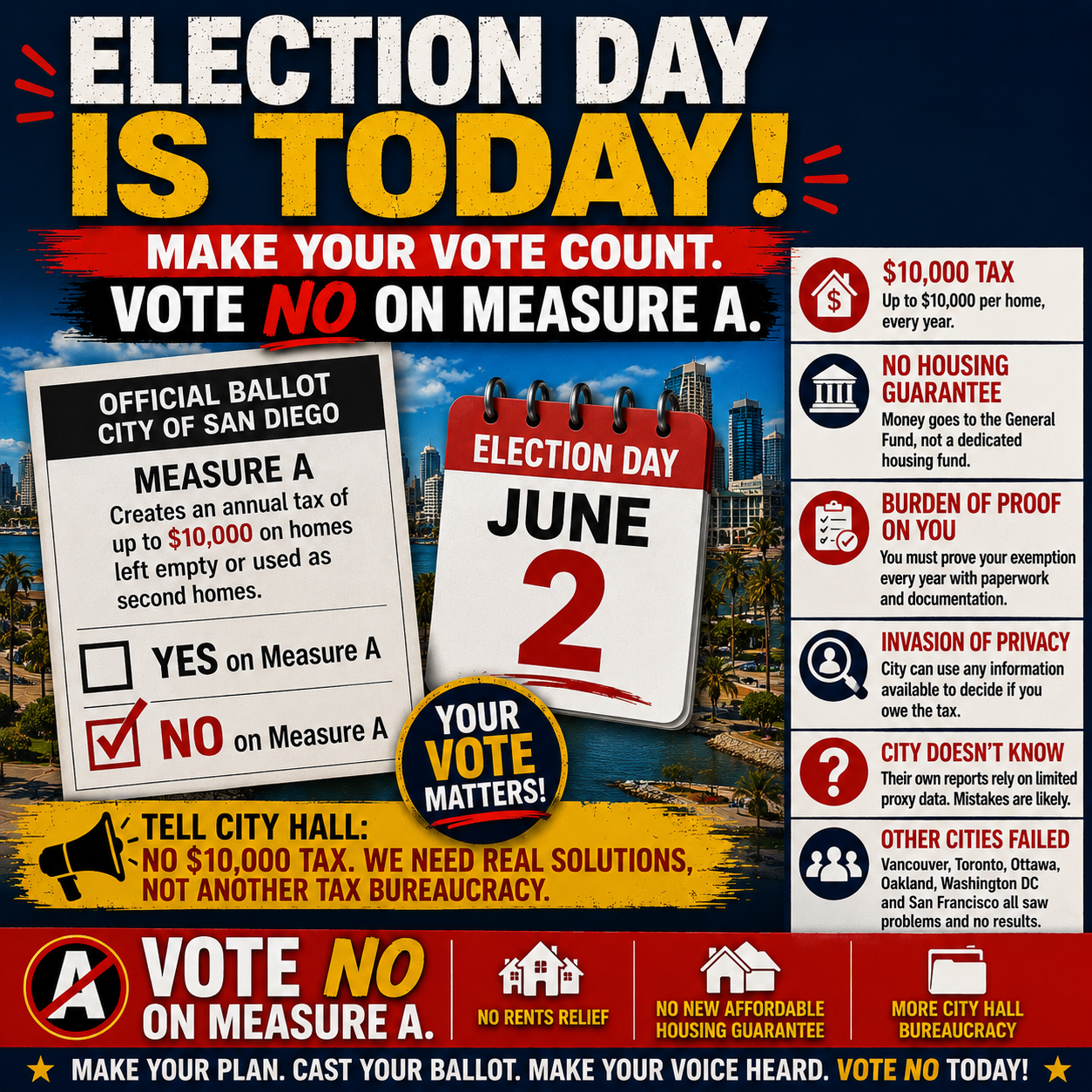
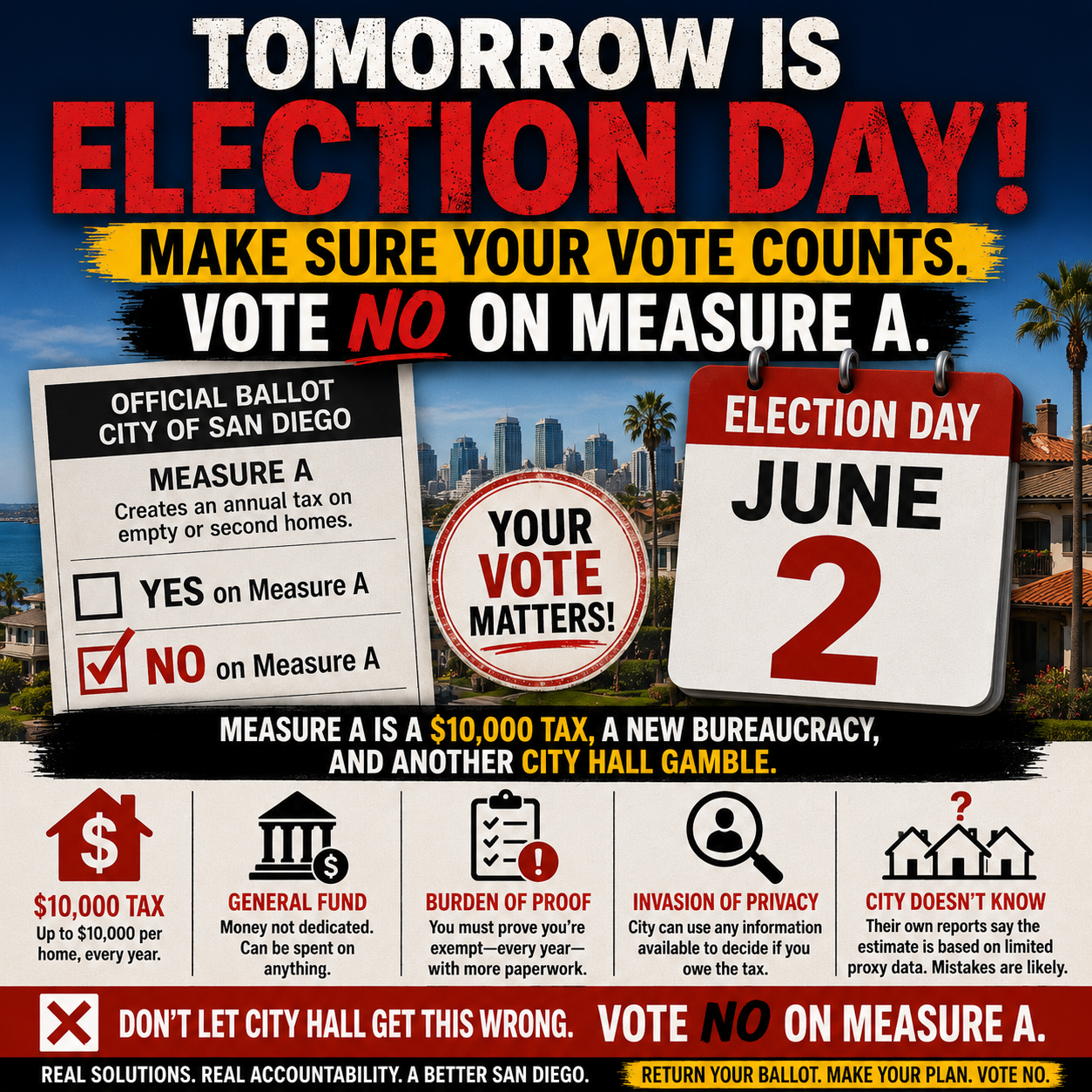
Voters are being asked to approve a $10,000 tax before the City has fully explained how people are supposed to prove they do not owe it.
Under Measure A, owners seeking exemptions or exclusion periods have to submit supporting documentation every year.
For leased housing, that could mean lease copies, rent rolls, tenant records, occupancy records, payment records, or other documents the City later decides to require.
The measure does not tell voters exactly what will be required.
It says City Hall will figure that out later.
That is not good enough.
This Could Affect Renters Too
Measure A is not only a problem for property owners.
It could affect renters too.
If landlords have to prove a lease is “bona fide,” they may ask tenants for more information. They may require more paperwork. They may write stricter lease terms. They may demand that tenants cooperate with City audits or documentation requests.
That means tenant information could get pulled into the City’s enforcement system.
Leases.
Rent records.
Proof of occupancy.
How many days you stayed there?
Personal housing information.
Measure A may not directly tax renters, but renters could still get dragged into the bureaucracy.
Apartment Owners Could Face a Paperwork Nightmare
This issue is especially serious for apartment owners and housing providers with many units.
If a large apartment community has hundreds of units, will the owner have to prove every year which units were leased, which were vacant, and which leases were “bona fide”?
Will the City require copies of leases?
Will it require tenant records?
Will it audit rent rolls?
Will it second-guess whether a lease was real enough?
Measure A does not provide clear answers.
But it does create the tax.
And if City Hall decides the paperwork is incomplete, late, or not good enough, the owner could face the $10,000 tax.
And where will that tax come from? Will landlord just absorb the cost and the uncertainty, or will this pass it on to tenants in higher rent and stricter leases?
A Housing Tax Built on Undefined Terms
This is exactly why Measure A is so dangerous.
City Hall is asking voters to approve a major new tax on homes, but key details are still unclear.
The measure uses important legal phrases like “bona fide lease,” gives the City broad authority to interpret and enforce them, and puts the burden on property owners to prove they qualify.
That is not a fair system.
That is a paperwork trap.
San Diegans Deserve Clear Rules Before They Vote
If City Hall wants to impose a $10,000 tax, voters deserve clear answers first.
They should know exactly what counts as a valid lease.
They should know what documents will be required.
They should know how tenant information will be protected.
They should know how the City will decide whether someone owes the tax.
Measure A does not give those answers.
It gives City Hall the power to decide later.
That is one more reason to vote no.
Vote No on Measure A.